

When the Sadness Won’t Go Away: How Online Counseling for Depression Can Help You Feel Like Yourself Again
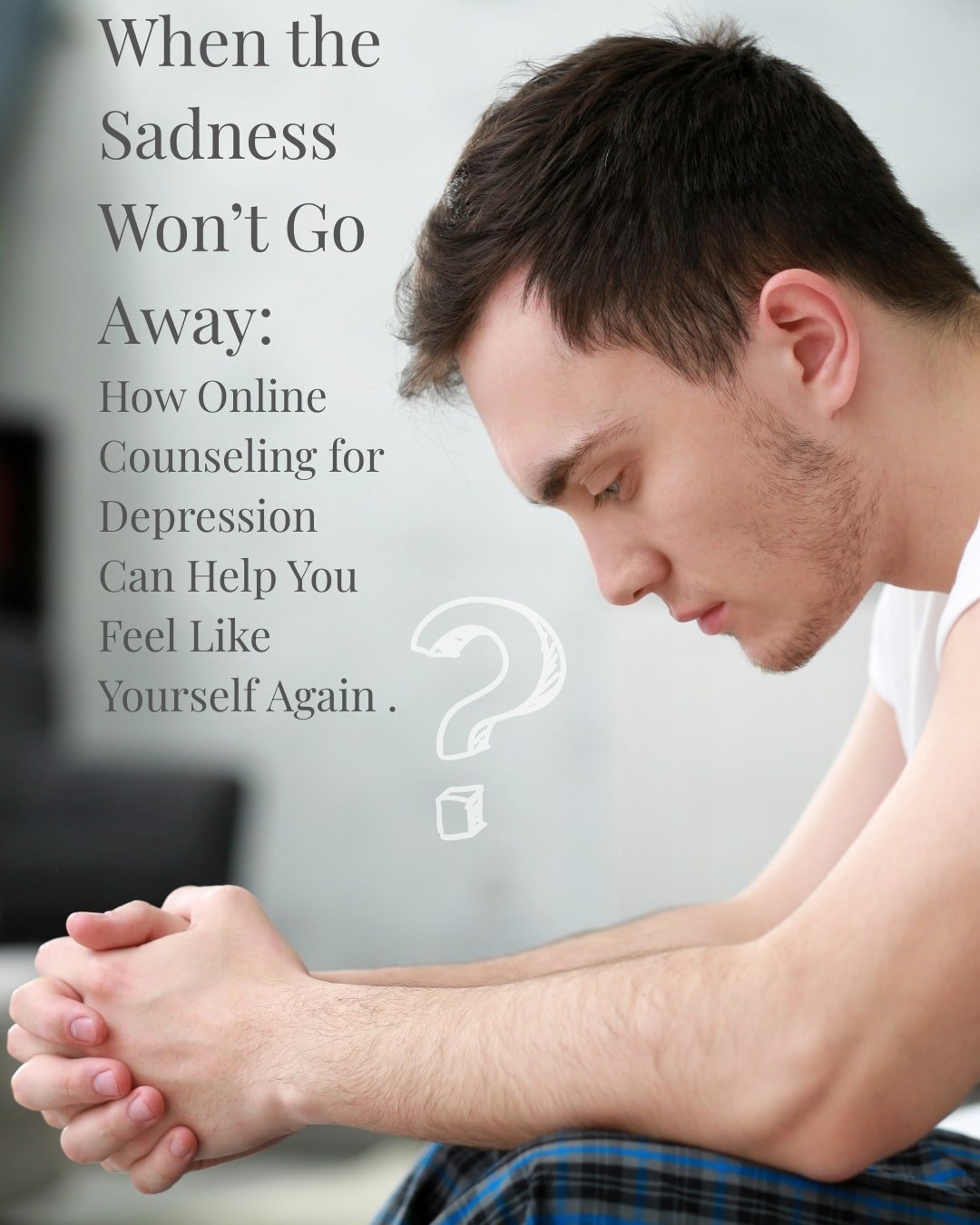
There’s a profound difference between feeling sad and living with depression. While sadness is a natural human emotion that comes and goes with life’s ups and downs, depression is a persistent shadow that can make even the simplest daily tasks feel overwhelming. If you’ve been struggling with feelings that seem too heavy to carry, emotions that won’t lift no matter what you try, you’re not alone. Depression affects millions of people worldwide, and the good news is that effective help is available through online counseling services.
Understanding Depression: More Than Just Feeling Down
Depression is a serious mental health condition that goes far beyond temporary sadness or having a “bad day.” It’s a complex disorder that affects how you think, feel, and handle daily activities. Unlike normal emotional responses to life’s challenges, depression persists for weeks, months, or even years without proper treatment.
The symptoms of depression can vary significantly from person to person, but common experiences include persistent feelings of sadness, hopelessness, or emptiness that don’t seem to have a clear cause or solution. You might find yourself losing interest in activities you once enjoyed, experiencing changes in appetite or sleep patterns, or feeling exhausted even after rest. Many people with depression also struggle with difficulty concentrating, making decisions, or remembering things that were once easy to manage.
Physical symptoms are also common and often overlooked. These can include unexplained aches and pains, headaches, digestive issues, or a general feeling of being slowed down. Some people experience restlessness or agitation, while others feel like they’re moving through life in slow motion.
Perhaps most challenging are the emotional and cognitive symptoms that can make you feel like you’ve lost touch with who you really are. You might experience feelings of worthlessness, excessive guilt, or harsh self-criticism that seems impossible to quiet. Thoughts of death or suicide can occur, which is why professional help is so crucial.
When Sadness Becomes Something More
It’s natural to wonder whether what you’re experiencing is “normal” sadness or something that requires professional attention. While everyone experiences difficult emotions, depression is characterized by its persistence, intensity, and impact on your daily functioning.
Normal sadness typically has identifiable triggers and tends to improve with time, support from loved ones, or positive experiences. You might feel sad about a specific loss, disappointment, or challenging situation, but you can still find moments of joy or hope. Your basic functioning remains intact, and you continue to engage with life, even if it feels difficult.
Depression, on the other hand, often feels like being trapped in a dark tunnel with no visible exit. It can occur even when your life circumstances are relatively positive, or it can persist long after a triggering event has passed. The sadness feels all encompassing and doesn’t respond to usual coping strategies or positive experiences.
One of the most telling signs that sadness has become depression is when it significantly interferes with your ability to work, maintain relationships, or take care of yourself. You might find yourself canceling plans repeatedly, avoiding social interactions, or struggling to complete basic tasks like showering, cooking, or paying bills.
The Isolation Trap: Why Depression Keeps You Stuck
Depression has a cruel way of convincing you that isolation is the answer, when connection is actually part of the solution. When you’re depressed, social interactions can feel exhausting or pointless. You might worry that you’ll bring others down with your negativity, or you might feel like no one could possibly understand what you’re going through.
This withdrawal often leads to a vicious cycle. The less you connect with others, the more isolated and hopeless you feel. Friends and family members might not know how to help, or their well-meaning advice might feel inadequate or even hurtful. Comments like “just think positive” or “you have so much to be grateful for” can make you feel even more misunderstood and alone.
The shame associated with depression also contributes to isolation. Many people feel like they should be able to “snap out of it” or handle their emotions independently. This self-imposed pressure can prevent you from reaching out for the professional help that could make a real difference in your recovery.
How Online Counseling Transforms Depression Treatment
Online counseling has revolutionized access to mental health care, making professional depression treatment more accessible, convenient, and effective than ever before. For many people struggling with depression, the barriers to traditional in-person therapy such as transportation difficulties, scheduling conflicts, or social anxiety can feel insurmountable when you’re already struggling to manage daily life.
Breaking Down Barriers to Treatment
One of the most significant advantages of online counseling for depression is that it meets you where you are, literally and figuratively. When getting out of bed feels like a monumental task, the idea of traveling to a therapist’s office, sitting in a waiting room, and engaging in face to face conversation can feel overwhelming. Online therapy eliminates these logistical barriers while providing the same quality of care you’d receive in person.
The flexibility of online counseling is particularly beneficial for people with depression who may struggle with consistent schedules or energy levels. Many online platforms offer various communication methods, including video calls, phone sessions, or even text-based therapy, allowing you to choose the format that feels most comfortable and manageable on any given day.
Creating a Safe Space for Healing
Depression often comes with intense feelings of vulnerability and shame. Online counseling can provide a sense of safety and control that helps you open up more freely. Being in your own familiar environment can reduce anxiety and help you feel more grounded during sessions. You have control over your immediate surroundings, which can be particularly important if you’re working through trauma or dealing with severe anxiety alongside your depression.
The perceived anonymity of online sessions can also help reduce the stigma that many people feel about seeking mental health treatment. While your therapist is a real person providing genuine care and expertise, the screen can feel like a protective barrier that makes it easier to share difficult experiences and emotions.
Evidence-Based Treatments at Your Fingertips
Online counseling platforms typically employ experienced therapists who specialize in evidence-based treatments for depression. These might include Cognitive Behavioral Therapy (CBT), which helps identify and change negative thought patterns that contribute to depression, or Dialectical Behavior Therapy (DBT), which focuses on building skills for emotional regulation and distress tolerance.
Interpersonal Therapy (IPT) is another effective approach that can be delivered online, focusing on improving relationships and social functioning to alleviate depression symptoms. Your online therapist can also incorporate mindfulness-based approaches, which have shown significant effectiveness in preventing depression relapse and improving overall well-being.
The Therapeutic Process: What to Expect
Starting online counseling for depression can feel daunting, especially when depression itself makes everything feel more difficult. Understanding what to expect can help reduce anxiety about beginning treatment and increase your likelihood of engaging fully in the process.
Initial Assessment and Goal Setting
Your first few sessions will typically focus on understanding your unique experience with depression. Your therapist will want to know about your symptoms, how long you’ve been struggling, what triggers seem to worsen your depression, and what coping strategies you’ve already tried. This isn’t about judgment – it’s about creating a comprehensive picture that allows your therapist to develop the most effective treatment plan for your specific situation.
Together, you’ll identify goals for therapy. These might include reducing the intensity or frequency of depressive episodes, developing better coping skills, improving relationships, or simply feeling more like yourself again. Your therapist will help you break these larger goals into smaller, manageable steps that don’t feel overwhelming.
Building Coping Skills and Insights
The middle phase of therapy typically involves learning new skills and gaining insights into the patterns that contribute to your depression. This might include identifying negative thought patterns and learning to challenge them, developing behavioral strategies to increase positive activities and experiences, or exploring underlying issues that may be contributing to your depression.
Your therapist might assign “homework” between sessions, such as mood tracking, behavioral experiments, or practicing specific coping techniques. While this might initially feel like added pressure, these between-session activities are crucial for translating insights from therapy into real-world change.
Integration and Relapse Prevention
As you begin to feel better, therapy will focus on consolidating your gains and preventing future episodes. You’ll learn to recognize early warning signs of depression returning and develop a concrete plan for maintaining your mental health. This phase is crucial because depression can be a recurring condition, but with proper tools and support, you can significantly reduce the likelihood and severity of future episodes.
Practical Benefits of Online Depression Counseling
Beyond the therapeutic benefits, online counseling offers practical advantages that can be particularly important when you’re dealing with depression. The cost is often more affordable than traditional in-person therapy, making treatment accessible to more people. You save time and energy by eliminating travel, which can be significant when you’re already struggling with fatigue and low motivation.
The consistency of care is another major benefit. You can maintain your therapeutic relationship even if you move, travel for work, or face other life changes. This stability can be crucial for people with depression, who often struggle with disruption to their routines and support systems.
Many online platforms also offer additional resources like self-help tools, educational materials, and crisis support, creating a comprehensive support system that extends beyond your scheduled sessions.
Taking the First Step: You Deserve to Feel Better
If you’re reading this and recognizing yourself in these descriptions, please know that what you’re experiencing is real, valid, and treatable. Depression is not a character flaw or a sign of weakness, it’s a medical condition that responds well to professional treatment. You don’t have to struggle alone, and you don’t have to wait for things to get worse before seeking help.
The first step is often the hardest, especially when depression convinces you that nothing will help or that you don’t deserve to feel better. But thousands of people have found their way back to themselves through online counseling, and you can too.
Starting therapy doesn’t mean you’re giving up or admitting defeat ,it means you’re taking control of your mental health and making a commitment to your well-being. You deserve to wake up feeling hopeful about the day ahead. You deserve to enjoy activities that once brought you pleasure. You deserve to feel connected to others and to yourself.
Moving Forward: Hope and Healing Await
Depression can make it feel like you’ll never feel normal again, but recovery is not only possible ,it’s probable with the right support and treatment. Online counseling provides an accessible, effective path to healing that can fit into your life regardless of your circumstances.
Remember that seeking help is a sign of strength, not weakness. It takes courage to acknowledge that you’re struggling and even more courage to reach out for support. Every day that you choose to keep going, despite how difficult it feels, is an act of resilience.
Your depression does not define you, and it doesn’t have to control your future. With professional online counseling, you can develop the tools and insights needed to manage your depression effectively and rediscover the person you are beneath the sadness.
The path back to yourself begins with a single step. Take that step today, you deserve to feel like yourself again.
If you’re struggling with persistent sadness or depression, professional online counseling can provide the support and treatment you need to recover and thrive. Experienced online therapists specialize in evidence-based depression treatments that can help you develop effective coping strategies and rediscover hope. Don’t wait for the sadness to lift on its own , reach out to a qualified online therapy service today and take the first step toward feeling like yourself again.