

Parenting with Patience: Online Support for Modern Parents Who Want to Do Better
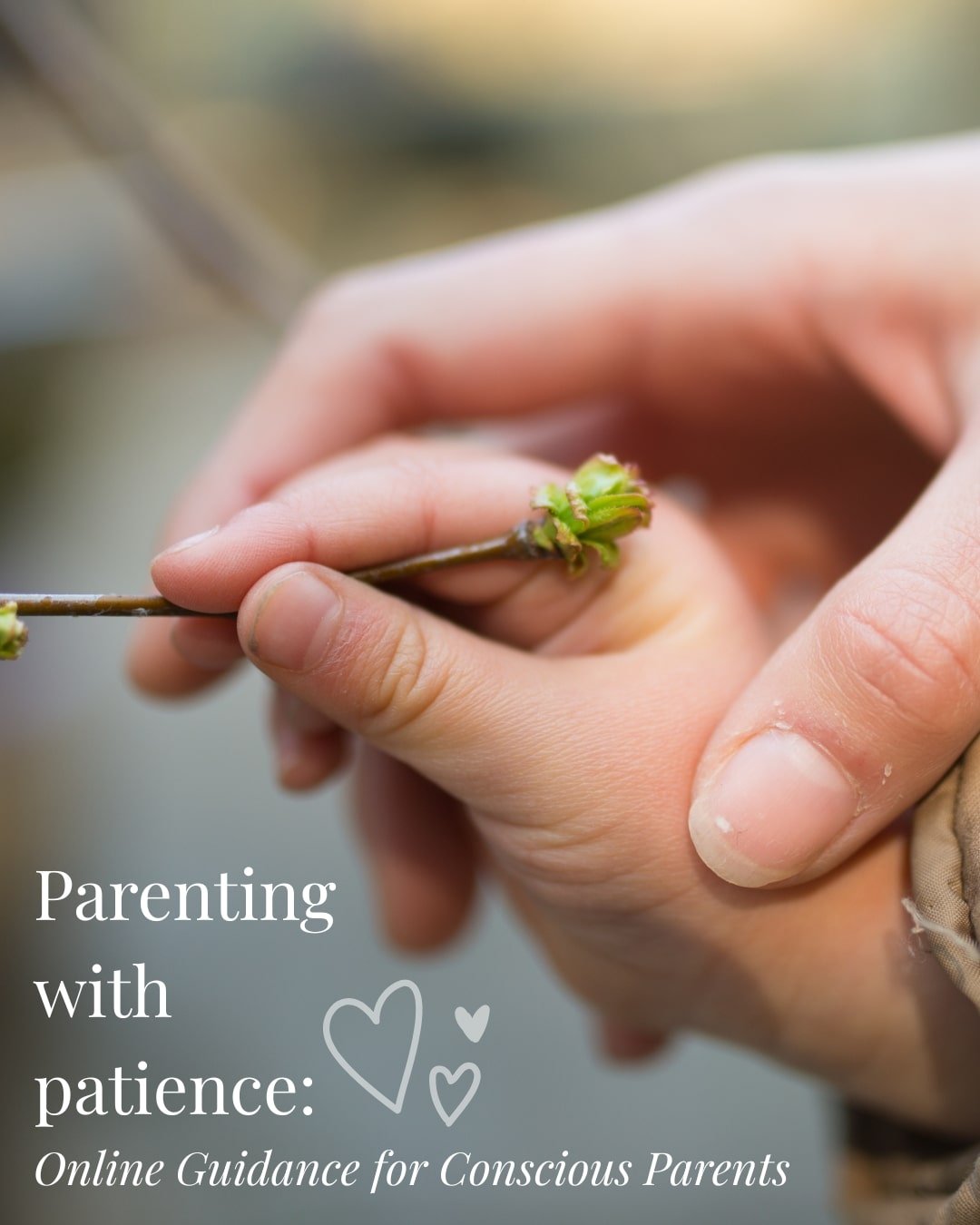
# Parenting with Patience: Online Support for Modern Parents Who Want to Do Better
Being a parent is one of the most beautiful yet exhausting experiences in life. If you’ve ever found yourself yelling at your kids and then feeling terrible about it afterward, you’re not alone. Every parent struggles with patience sometimes, especially in today’s busy, stressful world.
Maybe you’ve noticed yourself snapping at your children over small things, feeling constantly overwhelmed by daily routines, or wondering why parenting feels so much harder than you expected. The good news is that patience can be learned, and you don’t have to figure it out all by yourself.
Online counseling for parents has become a game-changer for families who want to create calmer, happier homes. Professional therapists who specialize in parenting can help you develop the patience and skills you need to be the parent you truly want to be.
## What Is Conscious Parenting? (It’s Simpler Than It Sounds)
Conscious parenting is really just about being more aware and intentional with your kids instead of constantly reacting on autopilot. It means taking a breath before you respond, understanding why your child is acting out, and choosing your reactions based on what’s best for your family in the long run.
Think of it this way: instead of immediately getting angry when your toddler has a meltdown in the grocery store, conscious parenting helps you pause and remember that they’re tired, overwhelmed, or just learning how to handle big emotions. This doesn’t mean letting kids do whatever they want, it means responding in ways that actually teach them and strengthen your relationship.
The foundation of conscious parenting is patience. Not the gritted-teeth kind of patience where you’re barely holding it together, but genuine understanding and calmness that comes from knowing what to expect from your kids and having strategies to handle challenges.
When parents learn to be more patient and conscious, children feel safer, behave better, and develop stronger emotional skills. It’s a win-win for everyone in the family.
## Why Modern Parenting Feels So Hard
Let’s be honest, parenting today is more challenging than it used to be. Our grandparents might not understand why we struggle so much, but the reality is that modern parents face pressures that didn’t exist before.
Social media makes everything worse by showing us perfect families with clean houses, well-behaved kids, and parents who seem to have it all figured out. Meanwhile, we’re dealing with tantrums, messy kitchens, and feeling like we’re failing every day. This constant comparison makes us more stressed and less patient with our own children.
Most families today are also incredibly busy. Between work, school activities, appointments, and trying to keep up with daily life, everyone feels rushed and overwhelmed. When you’re constantly running from one thing to the next, it’s nearly impossible to stay calm and patient when your child moves slowly or has a breakdown.
Money stress affects almost every family these days. When parents are worried about bills, working long hours, or struggling to make ends meet, it’s much harder to stay patient during normal childhood challenges like bedtime battles or homework struggles.
Many parents today also don’t have the support systems their parents had. Grandparents might live far away, extended family may not be close, and many parents feel isolated and alone in their struggles. Without help and perspective from others, parenting can feel overwhelming and lonely.
## Understanding Your Brain When You Lose Your Cool
Here’s something that might make you feel better: when you lose your patience with your kids, it’s not because you’re a bad parent. Your brain is actually doing exactly what it’s designed to do in stressful situations.
When your child is having a meltdown, refusing to listen, or pushing your buttons, your brain’s alarm system kicks in. This is the same system that would help you run from a dangerous animal, but it’s not very helpful when dealing with a cranky four year old.
During these moments, the emotional part of your brain takes over, and the thinking part goes offline. That’s why you might find yourself yelling or saying things you don’t mean, even though you know better. Understanding this can help you be gentler with yourself when you make mistakes.
The amazing news is that you can actually train your brain to be more patient. Just like you can build muscle by exercising, you can build patience by practicing specific techniques and strategies. With time and practice, staying calm during challenging parenting moments becomes much easier.
## Common Situations That Test Every Parent’s Patience
Every parent has those specific situations that push their buttons. Recognizing your personal triggers is the first step to handling them better. Here are some of the most common patience-testing scenarios:
Morning routines often turn into daily battles, with kids moving slowly, forgetting things, or melting down about clothes or breakfast. These situations are especially challenging because everyone is already stressed about getting out the door on time.
Bedtime can become a nightmare when children resist going to sleep, keep asking for water or bathroom trips, or have emotional breakdowns when they’re tired. After a long day, parents are often exhausted and have no patience left for bedtime drama.
Sibling fights can drive even the most patient parents crazy. The constant bickering, tattling, and competition for attention can make home feel like a battlefield instead of a peaceful sanctuary.
Public meltdowns are every parent’s nightmare. Whether it’s a tantrum in the grocery store or defiant behavior at a restaurant, these situations can make parents feel embarrassed, frustrated, and helpless.
Technology battles have become increasingly common as families struggle to set healthy limits around screen time. Arguments about devices, video games, and social media can create ongoing tension in the home.
Homework time often becomes a daily struggle filled with tears, arguments, and power struggles. What should be a learning opportunity turns into a negative experience for everyone involved.
## Simple Strategies That Actually Work
The good news is that there are proven strategies that can help you stay calmer and more patient, even during challenging moments. These techniques are simple but powerful when used consistently.
**The Magic Pause:** Before responding to your child’s challenging behavior, take three deep breaths. This simple action helps calm your nervous system and gives your thinking brain time to come back online. Count to ten if you need more time.
**The STOP Method:** When you feel yourself getting triggered, use this simple framework: Stop what you’re doing, Take a deep breath, Observe what’s really happening (both with you and your child), and then Proceed with intention instead of reaction.
**Change Your Perspective:** Instead of seeing your child’s behavior as deliberately difficult, try to understand what they might be feeling or needing. A tantraming toddler isn’t trying to ruin your day – they’re overwhelmed and don’t know how to handle their big emotions yet.
**Lower Your Expectations:** Many patience problems come from expecting too much from our children based on their age and development. A tired five-year-old will act like a tired five-year-old, not like a reasonable adult.
**Take Care of Yourself:** You can’t pour from an empty cup. Make sure you’re getting enough sleep, eating regularly, and taking breaks when possible. Tired, hungry parents have much less patience than rested, nourished ones.
## Why Being Kind to Yourself Matters
Here’s something many parents don’t realize: how you treat yourself directly affects how you treat your children. If you’re constantly criticizing yourself for parenting mistakes, you’ll likely be harsh with your kids too.
Self compassion means treating yourself with the same kindness you’d show a good friend. When you mess up (and every parent does), instead of beating yourself up, try to learn from the experience and move forward with compassion.
It’s also important to apologize to your children when you handle something poorly. This doesn’t make you weak, it actually teaches your kids valuable lessons about taking responsibility, making amends, and repairing relationships.
Remember that parenting is a learning process, not a performance. You don’t have to be perfect, and your children don’t need you to be perfect. They need you to be human, loving, and willing to keep trying to do better.
## Teaching Your Kids to Handle Big Emotions
One of the best ways to make parenting easier is to help your children develop their own emotional skills. When kids can understand and manage their feelings better, they have fewer meltdowns and behavior problems.
Start by helping your children name their emotions. Instead of just saying “Don’t be upset,” try “I can see you’re feeling frustrated because your tower fell down.” This helps them understand that feelings are normal and manageable.
Teach simple calming strategies that work for kids, like taking deep breaths, counting to ten, or hugging a stuffed animal. Practice these techniques when everyone is calm so they’re easier to use during difficult moments.
Create a calm down space in your home where children can go when they’re feeling overwhelmed. This isn’t a punishment spot – it’s a cozy area with soft pillows, books, or quiet activities that help kids reset their emotions.
Model good emotional regulation yourself. When you’re feeling frustrated, say something like “I’m feeling really angry right now, so I’m going to take some deep breaths to calm down.” Children learn more from what they see than what they hear.
## Building Daily Routines That Support Patience
Having predictable routines and systems in place can prevent many of the situations that test your patience. When everyone knows what to expect, there’s less conflict and stress throughout the day.
Create simple morning and bedtime routines that your children can follow independently. Use visual charts for younger kids so they can see what comes next without constantly asking you.
Build in extra time for everything. Rushing makes everyone stressed and impatient. If it usually takes 20 minutes to get ready in the morning, plan for 30 minutes.
Have regular family meetings where everyone can share what’s working well and what’s challenging. This gives kids a voice in family decisions and helps prevent bigger problems from developing.
Set up your home environment to support success. Put snacks where kids can reach them, create organized spaces for homework and play, and remove or limit things that cause regular conflicts.
## How Online Counseling Can Help Your Family
Online therapy for parents has become incredibly popular because it’s convenient, private, and effective. You can get professional help from the comfort of your own home, which is perfect for busy parents who struggle to find time for traditional appointments.
A qualified online therapist who specializes in parenting can help you understand your specific triggers, develop personalized strategies for your family, and work through any childhood experiences that might be affecting your parenting today.
Many parents find that talking to a neutral professional helps them gain perspective on their challenges. Sometimes we’re too close to our own situations to see them clearly, and a therapist can offer insights and solutions we might not have considered.
Online counseling also offers flexibility that traditional therapy doesn’t. You can schedule sessions during nap times, after bedtime, or whenever works best for your family schedule. Some platforms even offer text based support for quick questions or difficult moments.
Group sessions and online parenting classes connect you with other parents facing similar challenges. This can help you feel less alone and give you practical ideas from other families who understand what you’re going through.
## When Kids See Patient Parents: The Long-Term Benefits
The way you handle stress and emotions becomes a model for your children’s future relationships and parenting. Children who grow up with patient, conscious parents learn valuable life skills that serve them well into adulthood.
Kids with patient parents develop better emotional regulation skills because they see healthy emotional management modeled every day. They learn that it’s okay to feel upset but that there are appropriate ways to handle those feelings.
These children also tend to have better relationships throughout their lives because they learn communication skills, empathy, and conflict resolution from watching their parents navigate challenges calmly and thoughtfully.
When your children become parents themselves, they’re more likely to use the same patient, conscious approaches they experienced growing up. This creates a positive cycle that can influence generations of your family.
## Making Changes: Start Small and Be Realistic
Developing more patience as a parent doesn’t happen overnight, and that’s perfectly normal. Start with small changes and be patient with yourself as you learn new ways of responding to challenges.
Pick one specific situation that commonly triggers your impatience, like morning routines or bedtime. Focus on using your new strategies consistently in that one area before trying to change everything at once.
Celebrate small victories. Maybe you took a deep breath before responding to your child’s tantrum, or you managed to stay calm during a homework meltdown. These moments of progress matter and build on each other over time.
Remember that setbacks are normal and part of the learning process. Every parent has bad days when they react in ways they wish they hadn’t. What matters is your commitment to keep trying and learning.
Consider tracking your progress in a simple journal. Note what situations were challenging, what strategies worked, and how you felt throughout the day. This can help you identify patterns and see your improvement over time.
## Creating the Family Life You Really Want
At the end of the day, most parents want the same things: a peaceful home, connected relationships with their children, and the feeling that they’re raising kids who will become happy, healthy adults.
Developing patience and conscious parenting skills helps create exactly this kind of family environment. When parents are calm and intentional, children feel safer, behave better, and develop stronger emotional and social skills.
This doesn’t mean your home will be perfect or that your children will never have meltdowns. It means you’ll have the tools and confidence to handle challenges in ways that strengthen your family rather than creating more stress and conflict.
Online counseling and parenting support can be incredibly helpful resources on this journey. Professional guidance, combined with your own commitment to growth, can transform your family dynamics and help you become the parent you’ve always wanted to be.
## Taking the Next Step
If you’ve been struggling with patience as a parent, know that seeking help is a sign of strength, not weakness. Every parent can benefit from learning better strategies and getting support from professionals who understand the challenges of modern parenting.
Online counseling offers a convenient, private way to get the help you need without adding more stress to your already busy life. Whether you’re dealing with daily patience challenges, working through your own childhood experiences, or just wanting to be a more conscious parent, professional support can make a huge difference.
Remember, you don’t have to be a perfect parent ,you just need to be a loving one who’s willing to keep learning and growing. Your children don’t need perfection; they need connection, understanding, and a parent who cares enough to keep trying to do better.
Starting this journey toward more patient, conscious parenting is one of the greatest gifts you can give your family. Every small step you take creates positive changes that will benefit your children for the rest of their lives.