

Teen Talk: Why Today’s Teens Need a Safe Space to Be Heard
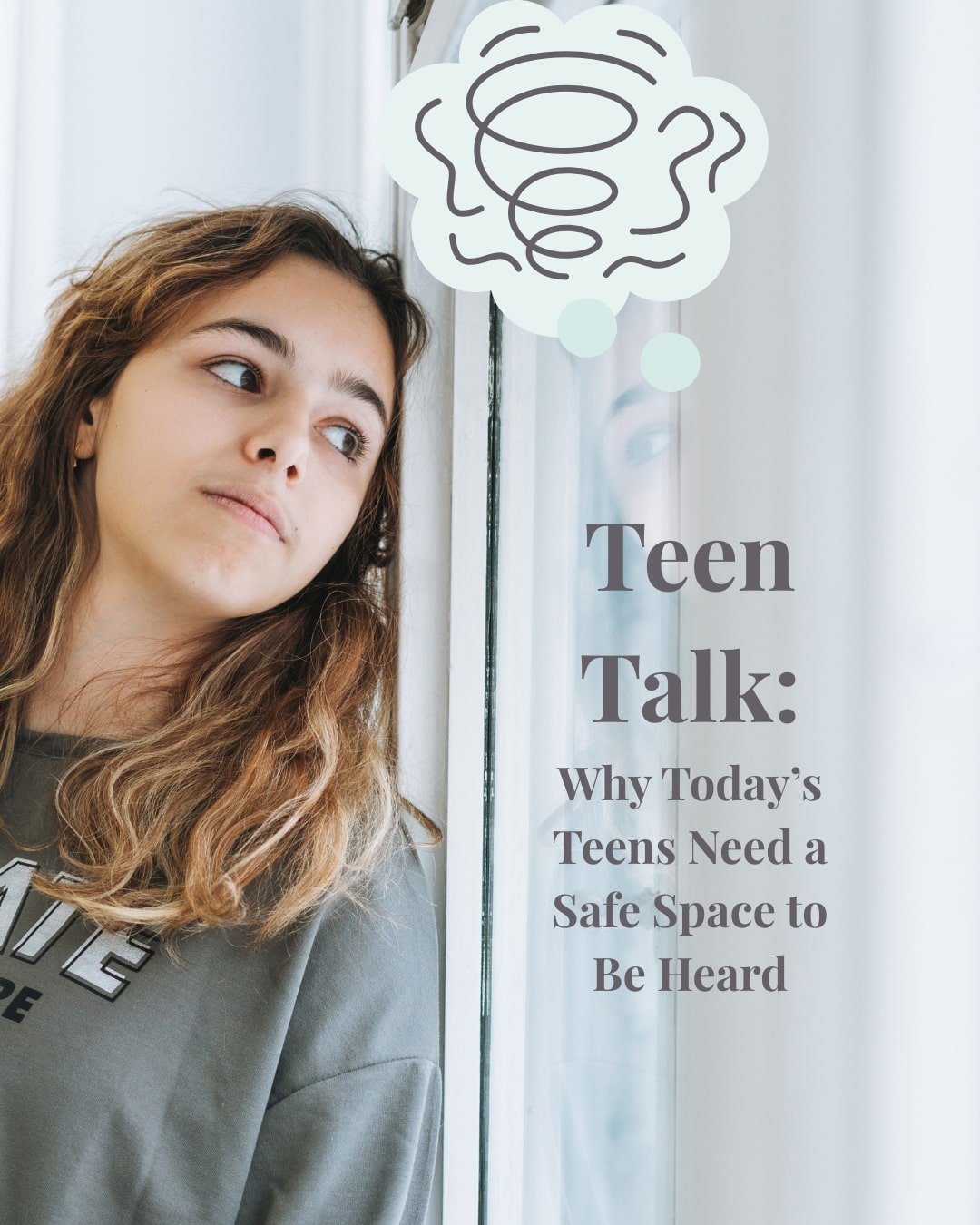
Teen Talk: Why Today’s Teens Need a Safe Space to Be Heard
The teenage years are full of self-discovery and emotional challenges—but today’s teens face a digital world filled with social media pressure, academic competition, and global uncertainty. These unique stressors call for safe, judgment-free spaces where teens can express themselves authentically.
Below, we explore the modern teen experience and the role of online counseling in creating supportive environments that empower adolescents.
The Communication Gap: When Traditional Support Falls Short
Despite having more ways to communicate than ever before, many teenagers report feeling profoundly lonely and misunderstood. The generational divide between teens and their parents has widened as technology and social norms evolve rapidly. Parents who didn’t grow up with smartphones and social media often struggle to understand the unique challenges their teens face in the digital realm.
Traditional support systems, while well-intentioned, sometimes fall short of meeting teens where they are emotionally and culturally. School counselors, though valuable, are often overwhelmed with large caseloads and administrative duties that limit their ability to provide in-depth support. Friends, while important, may be dealing with similar struggles and lack the tools or perspective to offer meaningful guidance.
Many teens also report feeling judged or dismissed when they try to express their concerns to adults. Phrases like “it’s just a phase” or “things were harder when I was your age” can inadvertently minimize their very real struggles and discourage further communication.
The Critical Need for Safe Spaces
A safe space for teenagers goes beyond physical safety; it encompasses emotional, psychological, and cultural safety. It’s an environment where teens can express their thoughts, feelings, and concerns without fear of judgment, dismissal, or unwanted advice. These spaces allow for authentic self-expression and provide validation for their experiences.
Safe spaces are particularly crucial for teenagers because this developmental stage is characterized by identity formation, increased independence, and heightened emotional sensitivity. During these formative years, feeling heard and understood can significantly impact a teen’s self-esteem, decision-making abilities, and overall mental health trajectory.
Research consistently shows that teenagers who have access to supportive adults and safe spaces to express themselves are more likely to develop healthy coping mechanisms, maintain better mental health, and make positive life choices. Conversely, teens who feel unheard or invalidated are at higher risk for anxiety, depression, risky behaviors, and social withdrawal.
The Power of Being Heard: Validation and Its Impact
When teenagers feel truly heard, several powerful psychological processes occur. First, validation helps normalize their experiences, reducing feelings of isolation and abnormality. Many teens struggle with the belief that they’re the only ones experiencing certain thoughts or feelings, and having their experiences acknowledged can provide immense relief.
Being heard also promotes emotional regulation. When teens can verbalize their feelings in a supportive environment, they often gain clarity about their emotions and develop better strategies for managing them. This process of externalization through conversation helps organize thoughts and feelings that might otherwise feel overwhelming or chaotic.
Furthermore, feeling heard builds self-worth and confidence. When adults take teen concerns seriously and respond with empathy rather than dismissal, it communicates that their thoughts and feelings matter. This validation can significantly impact how teens view themselves and their ability to navigate challenges independently.
Cultural Considerations in Teen Support
Today’s teenagers represent the most diverse generation in history, bringing rich cultural backgrounds, varied family structures, and different lived experiences to their adolescent journey. Creating truly safe spaces requires cultural competency and an understanding that one size does not fit all when it comes to teen support.
Cultural factors influence how teens express emotions, seek help, and understand mental health. Some cultures may emphasize collective family decision-making over individual expression, while others might have different perspectives on discussing personal struggles outside the family unit. Effective teen support must acknowledge and respect these cultural differences while still providing the validation and guidance young people need.
Online Counseling: Meeting Teens Where They Are
Online counseling has revolutionized mental health support for teenagers, offering several advantages that traditional in-person therapy might not provide. For a generation that has grown up online, digital platforms often feel more natural and comfortable than traditional office settings.
The accessibility of online counseling removes many barriers that prevent teens from seeking help. Transportation issues, scheduling conflicts with school and activities, and the potential embarrassment of being seen entering a therapist’s office are eliminated with online platforms. This accessibility is particularly valuable for teens in rural areas or communities with limited mental health resources.
Online counseling also offers a level of anonymity that can make teens feel safer expressing vulnerable thoughts and feelings. The physical distance provided by a screen can paradoxically create emotional intimacy, allowing teens to share more openly than they might in face-to-face interactions.
Many online platforms offer flexible communication options, including video calls, phone sessions, and text-based support, allowing teens to choose the format that feels most comfortable for them. This flexibility acknowledges that different teens have different communication preferences and comfort levels.
Creating Effective Safe Spaces: What Teens Need
Effective safe spaces for teenagers share several key characteristics. First and foremost, they must be non-judgmental environments where teens feel free to express themselves without fear of criticism or unwanted advice. This requires active listening skills and the ability to validate experiences without immediately jumping to problem solving mode.
Confidentiality is crucial for teen safe spaces. Adolescents need to trust that their conversations will remain private within appropriate legal and ethical boundaries. Clear communication about confidentiality limits helps build this trust while ensuring safety.
Cultural sensitivity and inclusivity are essential components of effective safe spaces. Teens need to feel that their identities, backgrounds, and experiences are respected and valued, regardless of their differences from the mainstream culture.
Consistency and reliability in support are also vital. Teens need to know that their safe space will be available when they need it, whether that’s through scheduled sessions or crisis support options.
The Role of Professional Online Counselors
Professional online counselors specializing in adolescent mental health bring specialized training and expertise to teen support. They understand the unique developmental challenges of adolescence and are equipped with evidence-based techniques specifically designed for this age group.
These professionals can differentiate between typical teenage struggles and more serious mental health concerns that require intervention. They’re trained to recognize signs of depression, anxiety, eating disorders, substance abuse, and other mental health issues that commonly emerge during adolescence.
Online counselors also serve as neutral parties who can provide perspective without the emotional investment that parents and friends might have. This neutrality allows teens to explore their thoughts and feelings without worrying about disappointing or burdening their loved ones.
Breaking Down Barriers to Help-Seeking
Many teenagers who could benefit from counseling never seek help due to various barriers. Stigma around mental health, fear of being judged, concerns about confidentiality, and logistical challenges all prevent teens from accessing support.
Online counseling platforms work to break down these barriers by normalizing mental health support and making it more accessible. By meeting teens in digital spaces where they already feel comfortable, these platforms reduce the intimidation factor often associated with traditional therapy.
Education about mental health and the counseling process also helps break down barriers. When teens understand what to expect from counseling and how it can benefit them, they’re more likely to engage with services.
The Ripple Effect: Benefits Beyond the Individual
When teenagers receive appropriate support and feel heard, the benefits extend far beyond the individual. Teens with good mental health support are more likely to succeed academically, maintain healthy relationships, and make positive contributions to their communities.
Families also benefit when teens have access to safe spaces and professional support. Parent-teen relationships often improve when teens have an outlet for expressing their concerns and developing healthy coping strategies. This can reduce family conflict and improve overall household dynamics.
Communities benefit from supporting their young people’s mental health. Teens who feel heard and supported are more likely to become engaged community members and positive role models for younger children.
Conclusion: Investing in Our Future
Today’s teenagers face unique challenges that require innovative and accessible solutions. Creating safe spaces where teens can be heard and understood isn’t just beneficial, it’s essential for their healthy development and our collective future.
Online counseling represents a powerful tool for meeting teens where they are and providing the support they desperately need. By combining professional expertise with the accessibility and comfort of digital platforms, online counseling can bridge the gap between teen struggles and effective support.
As we continue to understand the complex needs of modern teenagers, investing in safe spaces and accessible mental health support becomes increasingly important. Every teenager deserves to feel heard, understood, and supported as they navigate the challenging but crucial journey of adolescence. Through online counseling and other innovative approaches, we can ensure that no teen has to face their struggles alone.
The conversation about teen mental health and support is ongoing, but one thing remains clear: when we create safe spaces for teenagers to be heard, we’re not just helping them navigate adolescence , we’re investing in healthier, more resilient future adults who will, in turn, create a more compassionate world for the next generation.